
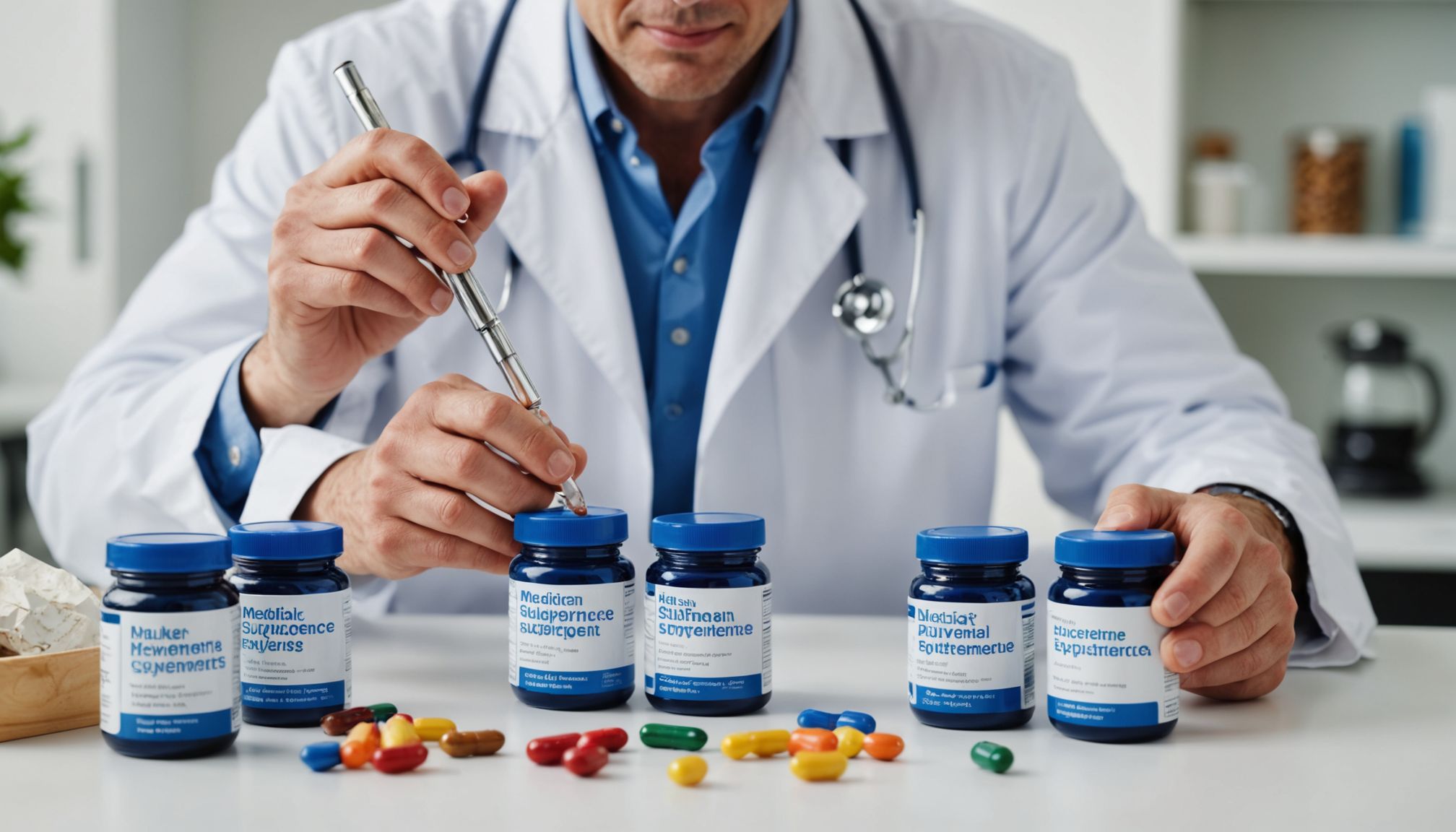
Men’s sexual health supplements — educational overview & medical disclaimer
Disclaimer: This content is for general educational purposes only and does not replace personalized medical advice, diagnosis, or treatment. Supplements can interact with medications and underlying conditions. Always consult a qualified healthcare professional before starting or changing any supplement.
Interest in men’s sexual health supplements has grown alongside conversations about vitality, confidence, fertility planning, and healthy aging. Unlike standard buyer’s guides that list ingredients and brands, this article segments audiences by life stage and health context. The goal is to clarify who may consider supplements, who should be cautious, and when professional evaluation matters more than self-care.
Who it is especially relevant for
This topic is particularly relevant for adult men experiencing changes in libido, erectile quality, energy, or stress-related performance concerns; for older men navigating age-related hormonal shifts; and for individuals with chronic conditions who may face higher risks from unsupervised supplement use.
Sections by audience segment
Adults
Typical concerns: fluctuating libido, performance anxiety, fatigue, or lifestyle-related erectile difficulties (stress, sleep deprivation, sedentary habits).
Risks & nuances: Many supplements combine botanicals (e.g., ginseng, maca), amino acids (e.g., L-arginine), and micronutrients (e.g., zinc). While generally marketed as “natural,” these compounds can still affect blood pressure, heart rate, or mood—especially when stacked together.
When to see a doctor: If symptoms persist longer than 2–3 months, worsen, or are accompanied by pain, numbness, depression, or cardiovascular symptoms.
General safety measures: Start with one product at a time, avoid exceeding labeled doses, and prioritize sleep, exercise, and alcohol moderation alongside any supplement.
Elderly
Typical concerns: age-related decline in testosterone, reduced erectile firmness, lower stamina, and slower recovery.
Risks & nuances: Older adults are more likely to take medications for blood pressure, diabetes, or heart disease. Certain sexual health supplements may interact with nitrates, antihypertensives, or anticoagulants.
When to see a doctor: Before initiating any supplement aimed at hormone support or circulation; immediately if dizziness, chest discomfort, or palpitations occur.
General safety measures: Prefer products with transparent labeling and third-party testing; review the full ingredient list with a clinician or pharmacist.
Athletes and highly active individuals
Typical concerns: maintaining libido during intense training, avoiding overtraining-related hormonal suppression, supporting recovery.
Risks & nuances: Some supplements may overlap with pre-workout stimulants, increasing the risk of insomnia, anxiety, or elevated heart rate.
When to see a doctor: If libido drops sharply during training cycles or if fatigue and mood changes persist despite rest.
General safety measures: Avoid combining multiple stimulant-containing products; ensure adequate caloric intake and recovery days.
Children and adolescents
Relevance: Sexual health supplements are not appropriate for children or adolescents.
Risks & nuances: Hormone-modulating ingredients may interfere with normal pubertal development.
When to see a doctor: Any concerns about delayed puberty, development, or hormonal health should be addressed by a pediatrician or pediatric endocrinologist.
General safety measures: Do not provide adult supplements to minors under any circumstances.
People with chronic conditions
Typical concerns: erectile dysfunction linked to diabetes, cardiovascular disease, obesity, depression, or chronic stress.
Risks & nuances: Supplements marketed for circulation or testosterone support can mask symptoms of underlying disease or interact with long-term medications.
When to see a doctor: Always before starting a supplement if you have a diagnosed chronic illness or take prescription medications.
General safety measures: Treat supplements as adjuncts—not substitutes—for evidence-based medical care and lifestyle management.
Trigger (stress, aging, illness)
        ↓
Physiological response (hormonal shift, vascular change)
        ↓
Symptoms (low libido, erectile difficulty, fatigue)
        ↓
Action (medical assessment → lifestyle changes → cautious supplement use)
| Segment | Specific risks | What to clarify with a doctor |
|---|---|---|
| Adults | Overuse, mixed-ingredient reactions | Symptom cause: lifestyle vs. medical |
| Elderly | Drug–supplement interactions | Cardiovascular and hormonal safety |
| Athletes | Stimulant overload | Training impact on hormones |
| Children | Developmental interference | Normal growth patterns |
| Chronic conditions | Masking serious disease | Compatibility with medications |
Mistakes and dangerous online advice
- Assuming “natural” means risk-free.
- Using supplements to self-treat undiagnosed erectile dysfunction.
- Combining multiple products with similar active compounds.
- Following anecdotal dosing advice from forums or social media.
For broader context on responsible supplement use, see our overview in Без рубрики: evidence-based health notes, lifestyle foundations discussed in Без: preventive wellness basics, and related discussions under Health insights from 01.13 and Clinical notes archive 05.02.
Sources
- National Institutes of Health (NIH) Office of Dietary Supplements — https://ods.od.nih.gov/
- World Health Organization (WHO) — https://www.who.int/
- U.S. Food & Drug Administration (FDA): Dietary Supplements — https://www.fda.gov/food/dietary-supplements
- Mayo Clinic: Men’s Health & Supplements — https://www.mayoclinic.org/

