
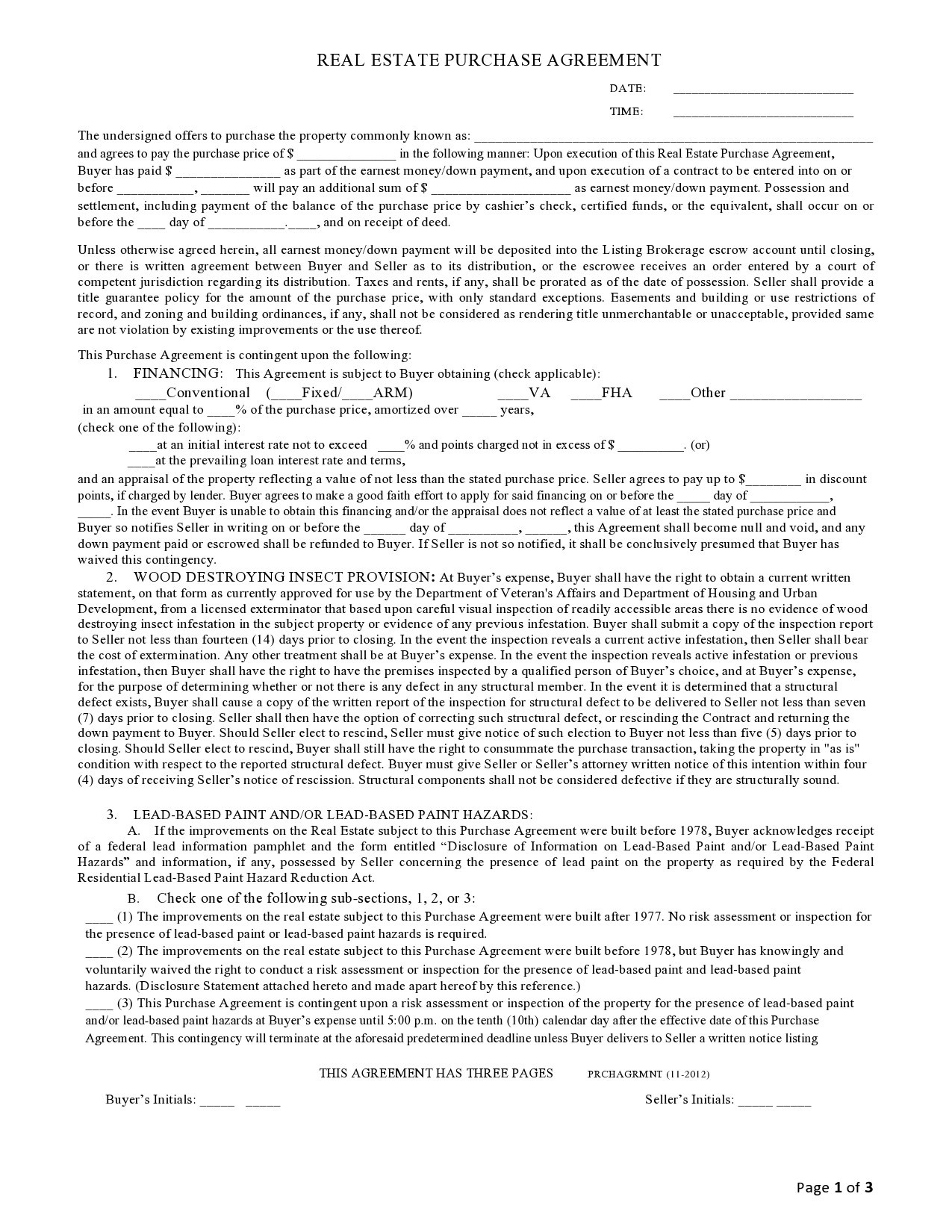
When getting a home or building in Rochester or the surrounding locations of Monroe, Orleans, and Genesee Counties, the purchase arrangement is one of the most crucial papers you’ll authorize. This contract sets the terms for your property transaction and lays out whatever from the purchase rate to shutting details. If it’s incomplete or improperly composed, you take the chance of disputes, delays, or even losing the residential or commercial property.
At Klafehn, Heise & Johnson P.L.L.C., we help buyers understand and bargain acquisition arrangements to secure their investment. Here’s what every residential or commercial property purchase arrangement in New York ought to include-and why legal review is crucial prior to authorizing.
1. Accurate Residential Property Details
The contract ought to plainly identify the building being acquired, consisting of the proper address, tax map number, a general description of the property being conveyed and its dimension and perhaps even the lawful description.More Here Colorado House Purchase Agreement At our site Mistakes right here can lead to confusion concerning what you’re really purchasing and cause issues at closing.
Idea: Confirm that the descriptive information about the home being bought are right in the agreement in order to avoid conflicts later on.
2. Acquisition Cost and Repayment Terms
Past the overall purchase rate, the contract needs to define:
- Earnest money deposit amount and due date.
- How the down payment will be held (escrow) and applied at closing.
- Funding details, consisting of a home mortgage contingency and timelines.
- Any seller concessions or credit scores agreed upon.
3. Contingencies and Problems
Contingencies give you an escape of the contract-or a way to renegotiate-if specific conditions aren’t met. Common backups consist of:
- Home assessment: Allows you to demand repair services or back out if substantial problems are discovered.
- Financing approval: Safeguards you if you can not secure a home mortgage within an established amount of time.
- Evaluation backup: Ensures you do not overpay if the residential property appraises lower than expected.
- Sale of existing home: Gives you time to sell your existing home before you are obliged to buy.
Without correct backups, you might lose your down payment if something unanticipated emerges.
4. Closing Date and Ownership Terms
The contract needs to outline the targeted closing date and when you’ll seize the residential property. If the seller needs extra time to move (or you need belongings prior to closing), those terms ought to be included to avoid misunderstandings.
Idea: Consist of adaptability for unanticipated delays-such as loan provider stockpiles or title issues-that can push the closing go back.
5. Items Included and Left Out in the Sale
Clearly state what’s included in the purchase-appliances, light fixtures, window treatments, or outside structures-and what the vendor plans to take. Obscurity here is an usual source of conflicts throughout final walk-throughs.
6. Disclosures and Examination Rights
New york city law calls for particular disclosures, like lead-based paint for older homes. The contract should confirm the vendor has actually supplied or will certainly give all needed disclosures and enable you time to inspect the residential or commercial property, if applicable.
It should likewise outline that pays for inspections, how examination outcomes will be managed, and timelines for repair work settlements.
7. Title and Action Arrangements
The acquisition arrangement should state that the seller will certainly provide clear title at closing and recognize the sort of deed to be offered (normally a service warranty action). It should likewise specify who will pay title insurance premiums and closing expenses.
8. Default and Remedies
The arrangement should define what takes place if either event defaults. As an example, if the buyer fails to close, does the vendor keep the down payment? If the vendor backs out, is the purchaser qualified to problems or possibly certain efficiency? Clear default stipulations prevent confusion if the deal fails.
9. Signatures and Implementation Information
See to it all parties sign the contract, including spouses or co-owners when required. Digital trademarks might be acceptable but should abide by New york city legislation and lending institution requirements.
Why Work With a Local Property Attorney?
Every area in Western New York has special techniques for closings, title searches, and relevant products. A local lawyer recognizes these treatments and can identify possible troubles prior to they become expensive.

